



ms pipe rolling mill
Tube rolling mills stand as a testament to the evolution of manufacturing, a pivotal component in the production of pipes and tubes critical to various industries, including automotive, construction, aerospace, and energy. The inherent complexity and engineering precision required in tube rolling mills make them indispensable in creating high-quality metal tubes, which necessitate prowess in various technical and operational metrics. At the heart of a modern tube rolling mill is advanced technology that ensures the efficient and precise production of metal tubes. These mills utilize a seamless process of reducing the diameter and wall thickness of metal cylinders, transforming them into pipes of various sizes and specifications. This seamless technique is the gold standard due to its ability to maintain structural integrity, crucial in applications where durability and performance are paramount. The operation of a tube rolling mill demands expertise in metallurgy and engineering. Professionals in this field must possess a deep understanding of the material properties, such as ductility, tensile strength, and resistance to temperature and corrosion, which influence the selection of metals like carbon steel, stainless steel, and specialized alloys. Moreover, the rolling process involves several stages, including piercing, elongation, and sizing, each requiring precise control to minimize deviations and maintain quality. In the realm of automation and digitalization, tube rolling mills have embraced Industry 4.0 innovations, integrating sensors and data analytics to monitor and improve the production process continuously. This technological integration allows for real-time adjustments, minimizing errors and reducing waste, thereby increasing efficiency and reducing operational costs. Engineers can leverage data-driven insights to optimize mill performance and extend the lifespan of the machinery, which is crucial for maintaining the competitive edge in a market where efficiency and precision are key differentiators. tube rolling mill Beyond the technical and operational competencies required in tube rolling mills, adherence to regulatory standards and certifications is imperative. These standards ensure that tubes produced meet stringent international quality benchmarks, satisfying the demands of industries that rely on these components' reliability and safety. Operators and managers must stay informed about changing regulatory requirements and invest in regular facility audits and compliance checklists to maintain their standing as trusted suppliers. Moreover, the environmental considerations of tube rolling mills have gained prominence in recent years. Organizations are increasingly focused on implementing sustainable practices , such as recycling waste material and utilizing energy-efficient technologies. The integration of eco-friendly processes not only aligns with global environmental goals but also enhances the brand reputation of manufacturers dedicated to responsible production practices. The competitive landscape of tube rolling mills necessitates fostering a skilled workforce capable of adapting to evolving industry demands. Continuous professional development and training programs are essential to equip employees with the latest knowledge in technological advancements and industry best practices. This investment in human capital translates into enhanced operational capabilities and a culture of innovation within the organization. In summary, tube rolling mills are a critical node in the industrial supply chain, merging advanced technology, skilled craftsmanship, and stringent quality control measures. Companies operating in this sector must prioritize innovation, compliance, and sustainability to meet the exacting demands of their clients and stakeholders. Expertise in this field is marked by not only producing quality tubes but also by demonstrating a commitment to continuous improvement and ethical production methodologies.

We have successfully executed over 500
projects around the world,
many first-of-their-kind
research projects and products in China, including
We have successfully executed over 500
projects around the world,
many first-of-their-kind
research projects and products in China, including
-
2004
The 1st hydraulic AGC system for hot rolling of ribbon steel
-
2006
The 1st AFC system used for 1450mm skin pass mill
-
2009
The 1st 5-stand tandem line with 2-stand POR & Uncoiler for 650mm ribbon steel
-
2012
The 1st reversing mill for 1380mm strip
-
2016
The 1st soft-rolling system used in skin pass mill
-
2019
The 1st fully automated medium-width tandem cold rolling mill
-
2021
The 1st 5000KN Twin-stand double skin pass mill
-
2022
The 1st coupled pickling line & tandem cold mill with two modes - big roller & small roller
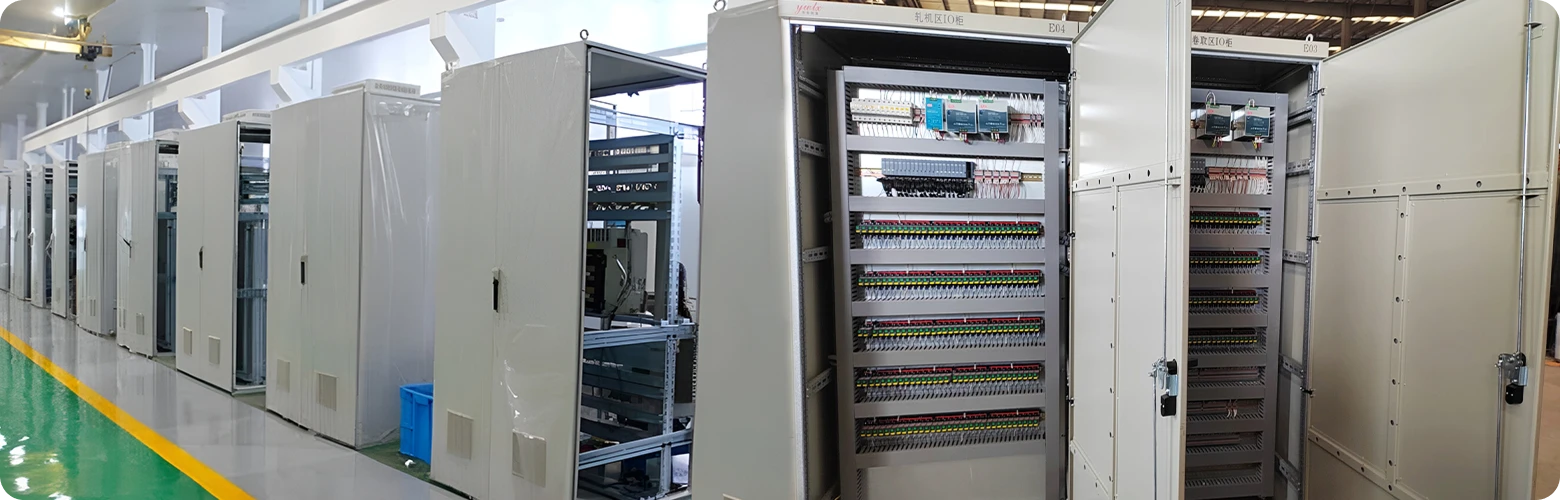

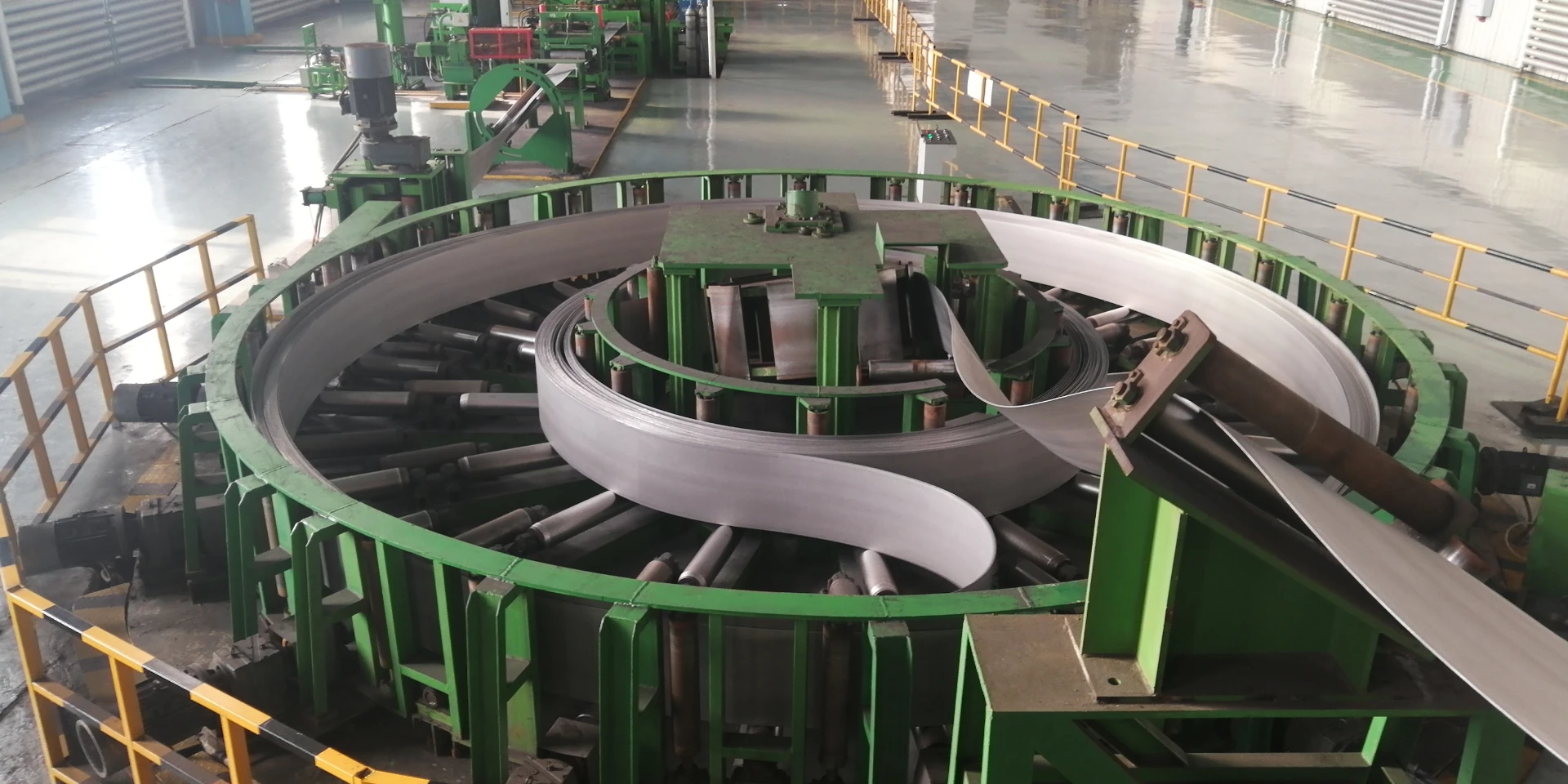
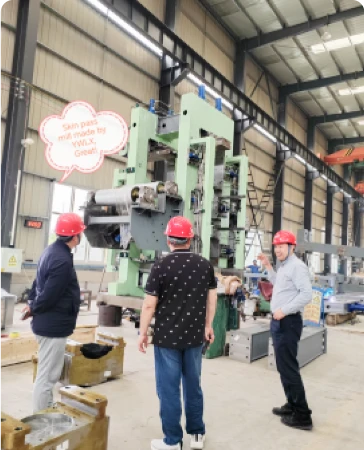
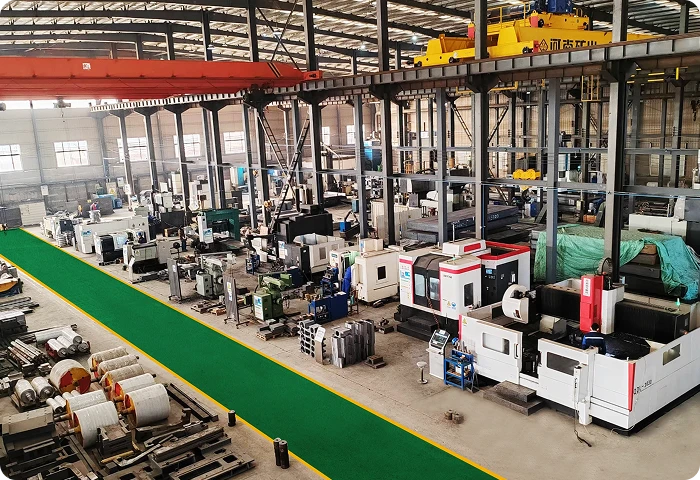
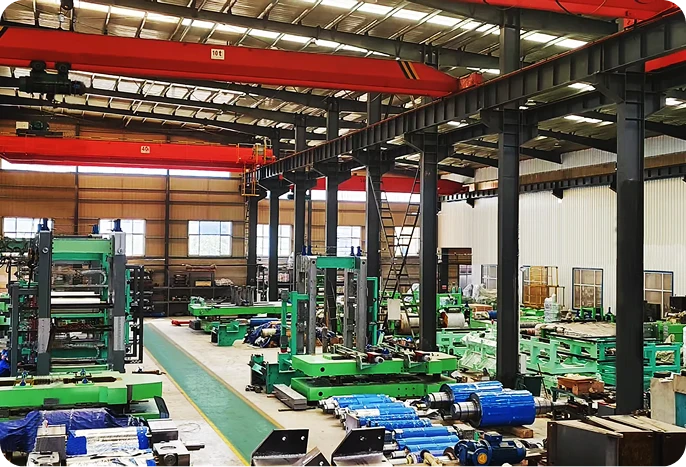
Yang Wang Li Xin operates a state-of-the-art facility over 66,000 square meters,and our manufacturing facility is fully equipped with high-tech machinery and high-capacity cranes. This enables us to handle large work pieces measuring 4.5m in width, 10m in length, and 1.5m in height, guaranteeing our capacity to produce 1800mm skin-pass mills and 1450mm rolling mills. The individual piece can weigh up to 100 tons.


Quality is fundamental to the enterprise survival. We have established a comprehensive and meticulous quality management system and have successfully obtained ISO14000 certification. Starting from the design source, it supervises the entire production cycle, including design, procurement, processing, assembly, in-factory testing, installation, and online commissioning. The workshop is equipped with measuring tools like vernier calipers, spectrometers, hardness testers, and ultrasonic flaw detectors. They are used to check materials and control tolerances to ensure the final equipment meets or exceeds requirements. All products have a unique code, This enables the easy identification and traceability of the equipment components and ensures full control of quality.


-
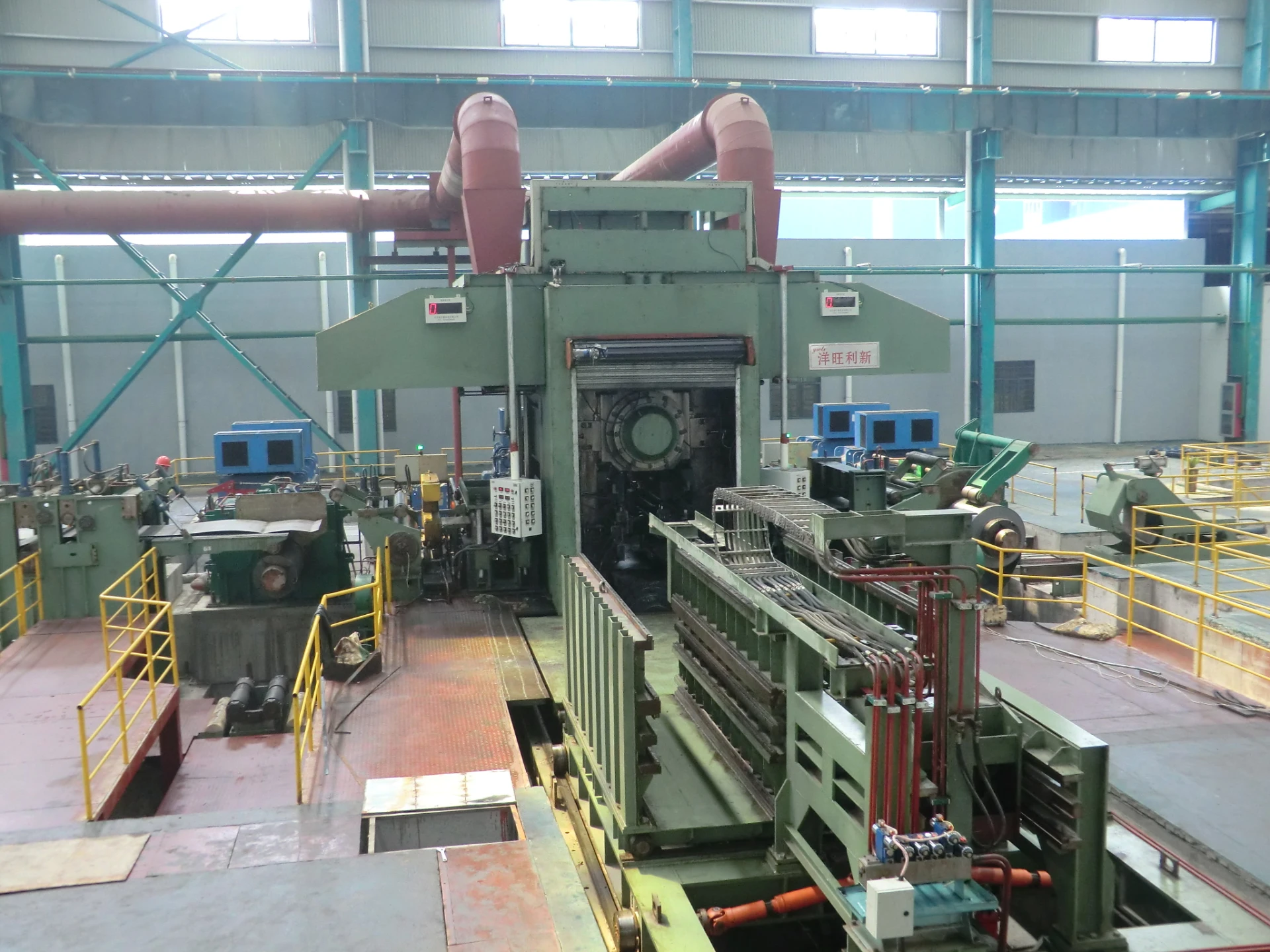 bar millExploring the World of Bar Mills An Expert Guide to Understanding and Maximizing Results Bar mills are integral components of the manufacturing sector, especially in metal production, playing a pivotal role in shaping and preparing raw metal into usable forms. As the demand for precision and efficiency in manufacturing grows, understanding the functionality and optimization of bar mills becomes in
 -
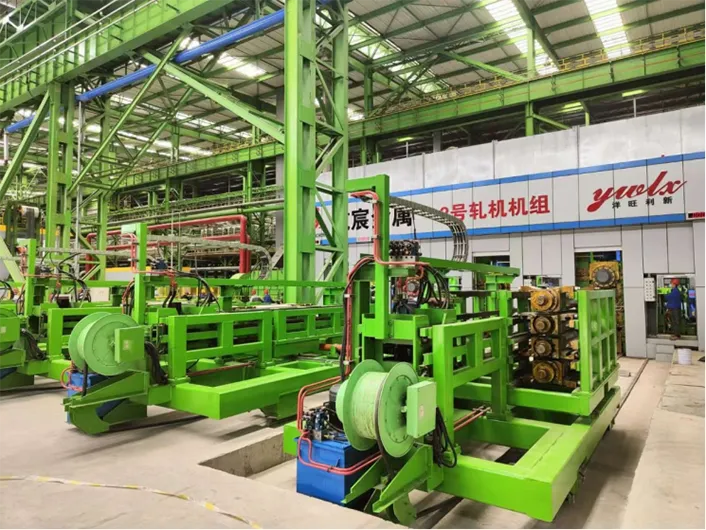 zハイ圧延機In the world of industrial manufacturing, the evolution and optimization of machinery play a crucial role in enhancing productivity and product quality. Among these, the high-precision rolling mill, known as [zハイ圧延機], stands out due to its advanced technology and the significant advantages it offers to various industries. The [zハイ圧延機] is a state-of-the-art piece of equipment that integrates cuttin
 -
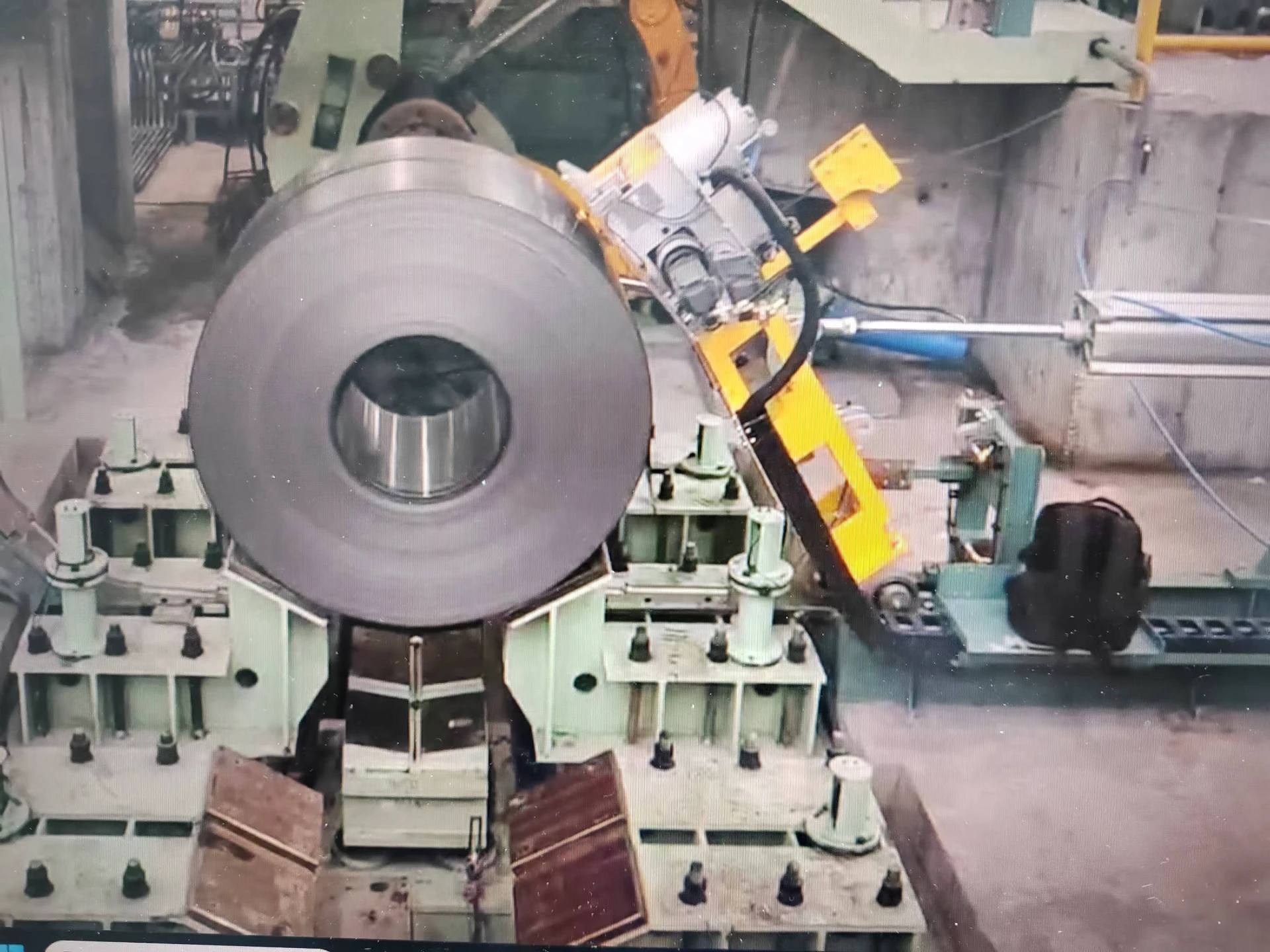 electric rolling millExploring the realm of electric rolling mills offers a fascinating glimpse into the future of crafted metalwork and precision engineering. These innovative devices have transformed traditional metalworking by integrating state-of-the-art technology into a process that has been around for centuries. The modern electric rolling mill is not just a tool but a revolution in metallurgy and artistry. Ele


